
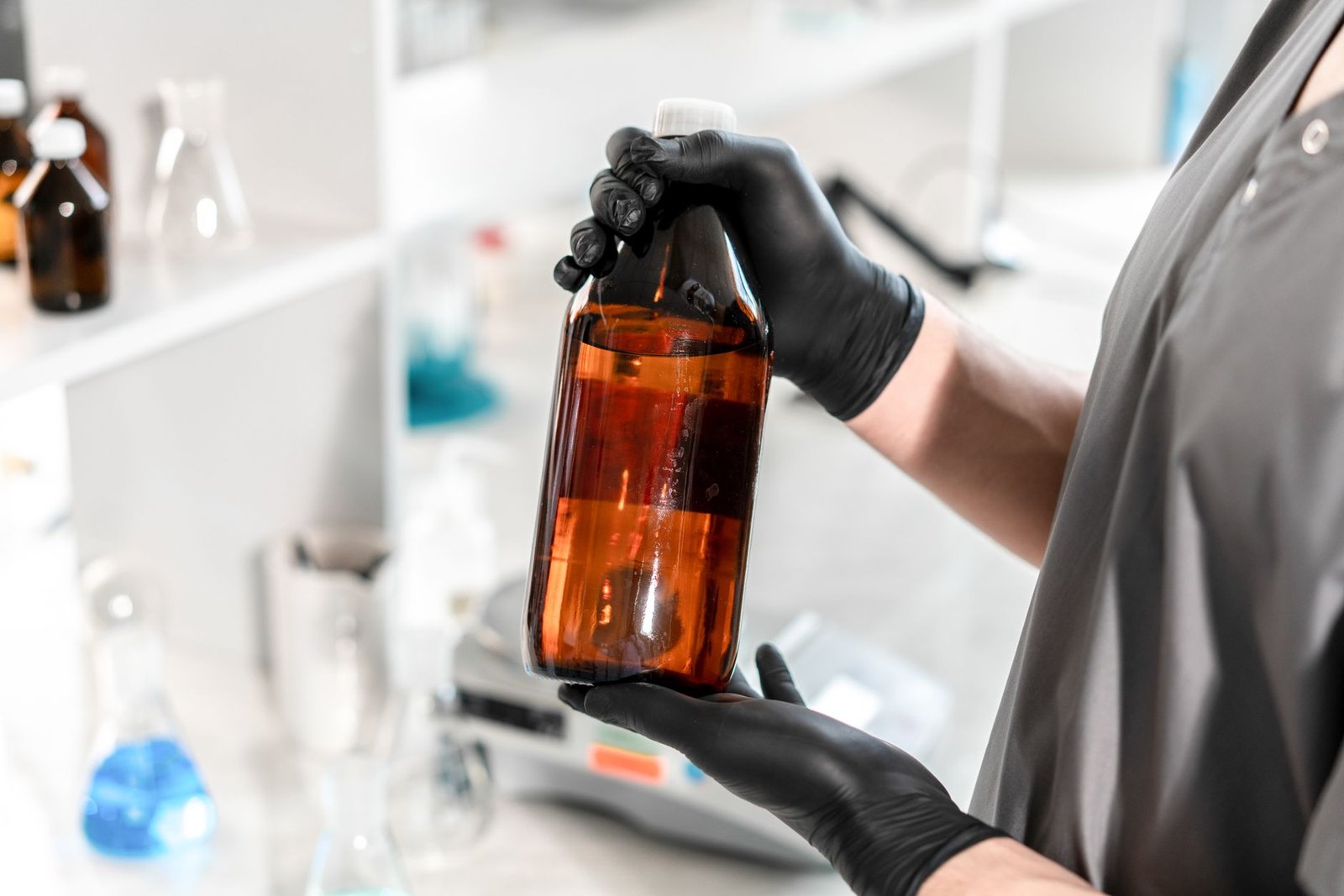
Chemical Peels for Dark Spots
Here is the high-quality SEO blog post as per RankMath’s on-page SEO requirements:
chemical peels for dark spots have been a popular skin care treatment for over two decades, offering a powerful way to target and remove hyperpigmentation and dark spots. However, as with any skin care treatment, it’s essential to carefully consider the benefits and risks involved before deciding if chemical peels are right for you. In this article, we’ll delve into the science behind chemical peels, their effectiveness, and the various types of peels available, as well as the potential risks and side effects.
What are Chemical Peels?
A chemical peel is a cosmetic treatment that uses a solution to remove the top layers of the skin, promoting cell turnover and revealing smoother, brighter skin. This solution is typically made up of an alpha-hydroxy acid (AHA) or beta-hydroxy acid (BHA), which stimulate collagen production and help to break down dead skin cells. Chemical peels can be customized to address specific skin concerns such as acne, aging, or hyperpigmentation.
The most common uses for chemical peels include:
- Reducing fine lines and wrinkles
- Enhancing skin texture and tone
- Removing age spots and hyperpigmentation
- Minimizing acne scars and pores
Types of Chemical Peels
There are several types of chemical peels available, each with varying strengths and formulations. These include:
Lactic Acid Peels
Lactic acid peels are popular for their ability to gently exfoliate the skin, reducing the appearance of fine lines and wrinkles while improving skin texture.
Salicylic Acid Peels
Salicylic acid peels are often used to treat acne-prone skin, unclogging pores and reducing inflammation.
Glycolic Acid Peels
Glycolic acid peels are a more potent option, providing deeper exfoliation and brighter-looking skin.
How Chemical Peels Work
When a chemical peel is applied to the skin, the solution penetrates the upper layers of the skin, breaking down dead skin cells and promoting collagen production. This process causes the skin to exfoliate, revealing new, smoother skin. The solution may be left on the skin for a specified amount of time, depending on the strength of the peel, before being neutralized with a toner.
Benefits of Chemical Peels
Chemical peels offer numerous benefits, including:
- Improved skin texture and tone
- Reduced appearance of fine lines and wrinkles
- Lightened age spots and hyperpigmentation
- Minimized acne scars and pores
However, it’s essential to note that chemical peels may not be suitable for everyone, particularly those with sensitive skin or certain skin conditions. As with any treatment, it’s crucial to consult with a dermatologist or skincare professional before undergoing a chemical peel.
Chemical Peel Risks and Side Effects
While chemical peels are generally safe, there are possible side effects and risks to consider, including:
- Redness and irritation
- Dryness and peeling
- Sensitivity to the sun
- Bacterial infections (rare)
To minimize the risks, it’s essential to follow pre- and post-treatment instructions carefully and to choose a reputable and experienced practitioner.
Alternatives to Chemical Peels
If you’re not comfortable with the idea of a chemical peel, or if you have sensitive skin, consider alternative skincare treatments, such as:
* The Ultimate Skincare Routine for Glowing Skin: This [Ultimate Skincare Routine for Glowing Skin](https://glamlooks.online/?p=13412) focuses on creating a personalized skincare routine tailored to your skin type and concerns.
For an extra boost, incorporate the Korean Skin Care routine for Glowing Skin: this [Korean Skin Care for Glowing Skin](https://glamlooks.online/?p=13414) features affordable, high-quality products for comprehensive skin care.
clicked tissues confirming that the -topic-specific Good Skincare for Acne Prone Skin. also offers specialized guidance for acne-prone skin: this [Good Skincare for Acne Prone Skin](https://glamlooks.online/?p=13418) establishes a routine that effectively addresses acne concerns.
If you’re considering a chemical peel, it’s essential to weigh the potential benefits against the risks and side effects, and to choose a reputable and experienced practitioner. With the right care and attention, chemical peels can be a highly effective solution for achieving brighter, smoother-looking skin.